Author Profile

Amelia Keller

Amelia Keller writes about supply chain resilience, translating complex ideas into practical insight. Their approach combines scenario planning and on‑the‑ground reporting. Their coverage includes guidance for teams under resource or time constraints. They avoid buzzwords, focusing instead on outcomes, incentives, and the human side of technology. Their reporting blends qualitative insight with data, highlighting what actually changes decision‑making. They are known for dissecting tools and strategies that improve execution without adding complexity. They maintain a balanced tone, separating speculation from evidence. They also highlight cultural factors that determine whether change sticks. They write about both the promise and the cost of transformation, including risks that are easy to overlook. They explore how policies, markets, and infrastructure intersect to create second‑order effects. They frequently translate research into action for security leaders, prioritizing clarity over buzzwords. Readers appreciate their ability to connect strategic goals with everyday workflows. They focus on what changes decisions, not just what makes headlines.

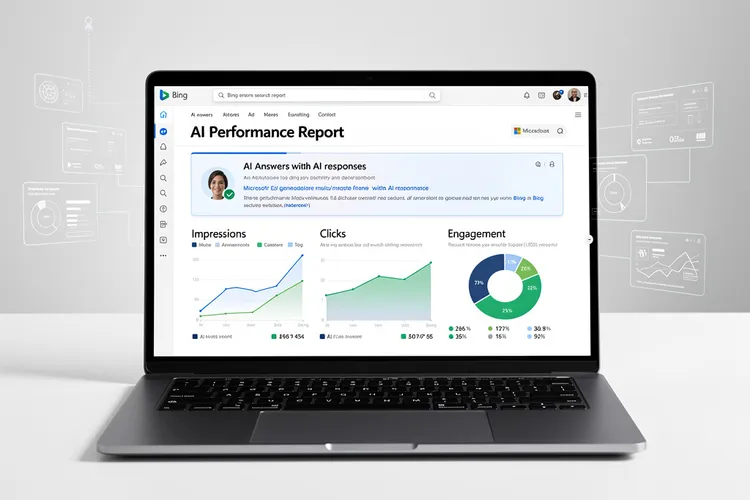
Microsoft’s Bing Webmaster Tools Unveils AI Performance Metrics as Search Giants Race to Quantify Generative Engine Traffic

Microsoft’s Bing Webmaster Tools Unveils AI Performance Metrics as Search Giants Race to Quantify Generative Engine Traffic

Microsoft introduces AI Performance Report in Bing Webmaster Tools, offering first comprehensive framework for measuring website visibility within AI-generated search results. The experimental tool tracks impressions, clicks, and engagement in AI responses, potentially establishing industry standards as publishers grapple with generative search's impact on traffic.

The Battle for Browser Autonomy: How AI Agents Are Redefining Web Interaction Benchmarks

The Battle for Browser Autonomy: How AI Agents Are Redefining Web Interaction Benchmarks

New benchmarking standards reveal significant performance gaps among AI browser agents, with top systems achieving 85% success rates on complex tasks while competitors struggle below 40%. The evaluation framework tests real-world capabilities across e-commerce, enterprise software, and government portals, marking a critical inflection point for autonomous web automation technology.