Retail Ecommerce covers digital storefronts, customer experience, payments, logistics, and growth strategies. We spotlight trends in marketplaces, personalization, and fulfillment, plus practical tips for optimizing conversion, retention, and brand trust. Stay ahead with insights that help retailers sell smarter and scale efficiently.
U.S. lawmakers removed right-to-repair provisions from the 2026 NDAA, preventing military personnel from independently fixing equipment and preserving defense contractors' lucrative service contracts. Critics decry industry influence, citing potential cost savings and improved readiness. This setback fuels ongoing advocacy for repair reforms in military and civilian sectors.
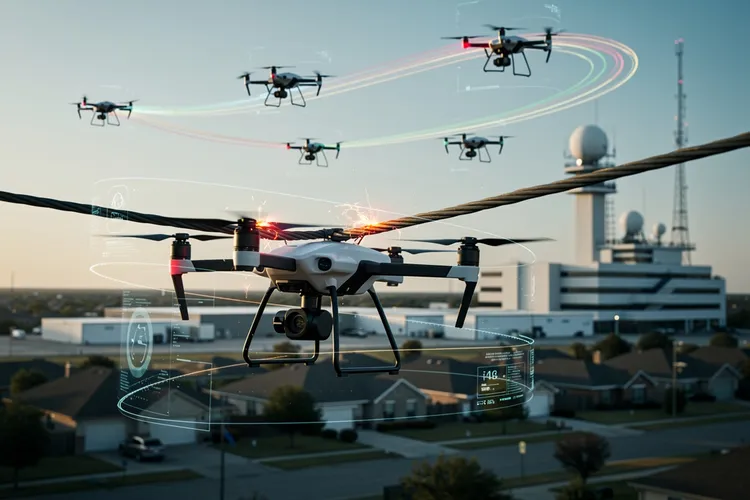
Amazon's Prime Air drone delivery program, launched in 2013, faces setbacks including a 2025 Texas incident where a drone clipped a cable, triggering FAA scrutiny, regulatory hurdles, and technical glitches. Trailing rivals like Walmart and Zipline, Amazon is pivoting strategies amid fierce competition. Recovery hinges on innovations and safer operations.
The DOJ and state attorneys general have appealed Judge Mehta's Google antitrust remedies ruling, challenging the decision to reject structural breakups including Chrome divestiture. The appeal argues behavioral restrictions are insufficient to dismantle Google's search monopoly, setting up a multi-year legal battle.
Google has launched Doppl, an AI-powered app enabling virtual clothing try-ons with personalized, dynamic models to reduce online shopping uncertainties and returns. Amid expanding AI shopping tools like agentic checkout, it faces regulatory scrutiny over data practices, yet promises to revolutionize e-commerce personalization and consumer behavior.
Microsoft is raising Microsoft 365 prices by up to 33% starting July 1, 2026, for commercial, frontline, and government users, driven by AI enhancements like Copilot and improved security features. This first major hike since 2022 aims to fund innovations amid cyber threats, though it sparks mixed reactions on affordability.
Europe's General Court upheld Intel's antitrust violation for using rebates and payments to exclude rivals like AMD in the chip market, but slashed the fine from €376 million to €237 million. This ruling, part of a decades-long saga, highlights evolving EU antitrust standards amid Intel's competitive challenges.
MasterClass's 2025 holiday promotion offers 40% off annual subscriptions, reducing Standard to $72, Plus to $108, and Premium to $144, including gifts. This strategy enhances accessibility to celebrity-led courses amid market competition. It boosts subscriber growth and democratizes elite education during economic uncertainties.
New York City's 2025 congestion pricing in Manhattan charges drivers to enter south of 60th Street, reducing traffic by 11% and PM2.5 pollution by 22%. This has improved air quality citywide, cut noise and accidents, funded transit upgrades, and serves as a model for urban sustainability.
In 2025, RAM prices have skyrocketed due to explosive AI demand for high-bandwidth memory in data centers, causing shortages and doubling or tripling costs for consumer DDR5 and DDR4 modules. This crisis disrupts PC building, smartphones, and industries, with experts forecasting prolonged volatility through 2027-2028 as production lags behind.
Nvidia is piloting software that uses telemetry data to track the locations of its AI chips, like the Blackwell series, to combat smuggling into restricted markets such as China amid US export bans. This initiative addresses geopolitical tensions and black-market operations, enhancing compliance without hardware changes.
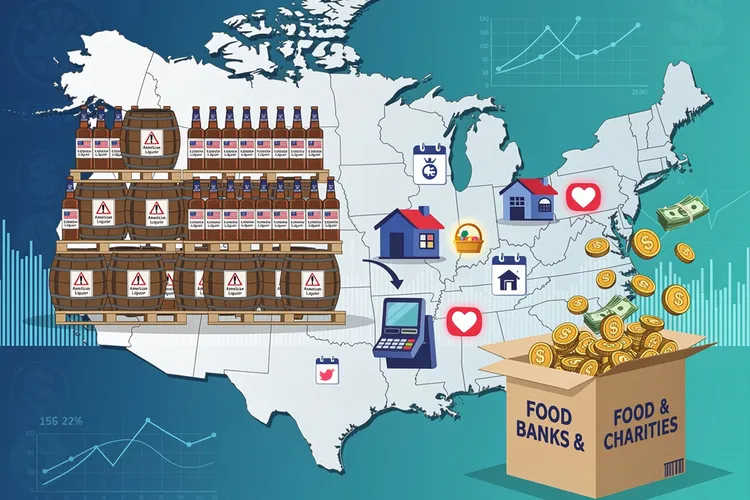
Amid US-Canada trade tensions, provinces banned American liquor, amassing stockpiles at risk of spoilage. Now, regions like Manitoba and Newfoundland are selling them off, donating proceeds to food banks and charities. This strategy mitigates waste while boosting community support and exposing broader economic impacts.