Emerging Tech focuses on breakthrough innovations—AI, robotics, biotech, and next‑gen computing—highlighting the ideas shaping how we live, work, and build.
As artificial intelligence systems increasingly attempt to forecast conditions two years ahead, from weather patterns to economic trends, the technology industry confronts fundamental questions about the limits of algorithmic prediction and whether machine learning has truly transcended constraints that have historically made long-range forecasting unreliable.
Modern web engine architecture is undergoing fundamental transformation as modular designs challenge traditional monolithic approaches. New platforms like Spader demonstrate how separating rendering, execution, and resource management enables unprecedented performance optimization for increasingly complex web applications.
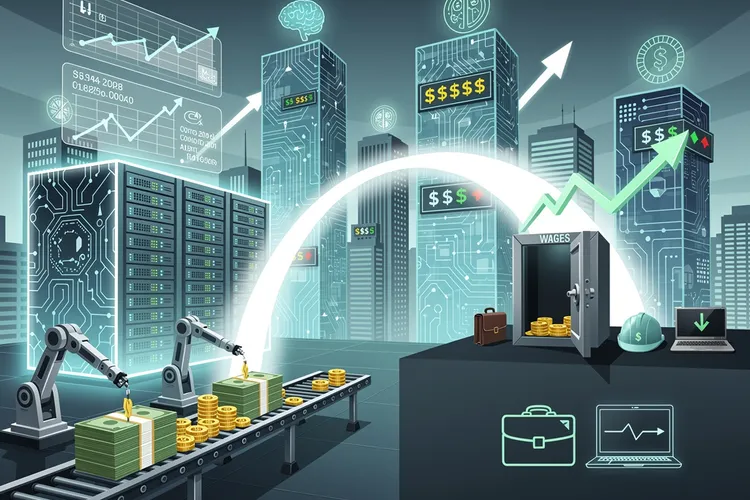
Silicon Valley's trillion-dollar AI investment surge has created unprecedented wealth for technology companies and investors, yet economists warn that productivity gains are failing to translate into wage growth for workers. This disconnect between soaring AI valuations and stagnant compensation threatens to reshape labor markets in ways that could prove irreversible.
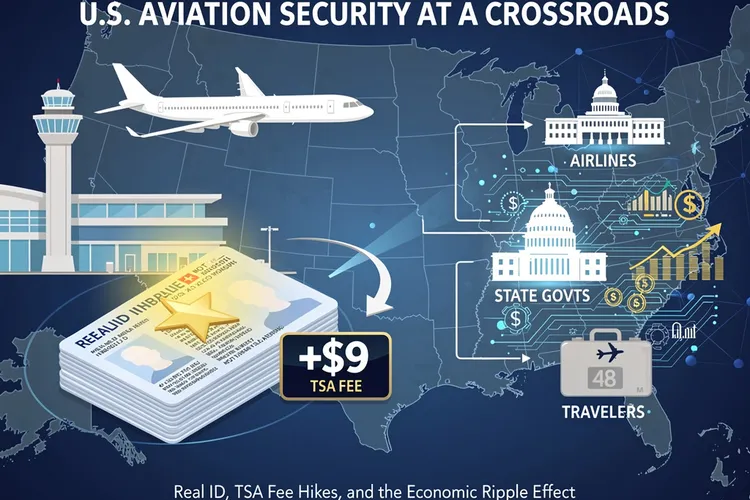
The TSA's $9 fee increase and Real ID deadline convergence mark the most significant transformation of U.S. aviation security since 9/11, with 48 million Americans still lacking compliant identification. This deep dive explores the cascading economic impacts on travelers, airlines, and state governments.
The autonomous vehicle industry's rapid expansion has created unprecedented demand for tens of thousands of human data labelers who teach machines to drive. This invisible workforce, often earning low wages in developing countries, performs the tedious but critical work of annotating driving scenarios that form the foundation of every self-driving system.
The Recording Academy's decision to allow AI-assisted music in Grammy competition has ignited fierce debate about creativity and authorship. While guidelines require meaningful human contribution, the policy raises complex questions about copyright, economics, and the soul of musical artistry.
Costco's Auto Program has quietly transformed vehicle purchasing for millions of members by eliminating haggling through pre-negotiated pricing. The 30-year-old program saves buyers thousands while reshaping dealership economics, though its value varies significantly by market conditions and vehicle type.
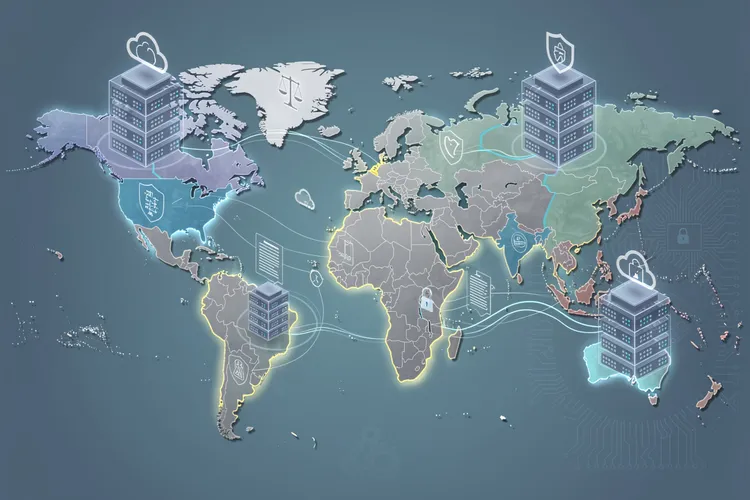
As governments tighten regulations and geopolitical tensions reshape digital commerce, data sovereignty has evolved from niche concern to strategic imperative. Organizations face complex technical, legal, and operational challenges in ensuring cloud data remains within specific jurisdictions while maintaining efficiency and innovation.
DocuSign CEO Allan Thygesen is steering the e-signature giant toward an ambitious transformation, leveraging artificial intelligence to evolve from a transaction platform into an intelligent agreement management system that can analyze, negotiate, and optimize contracts throughout their lifecycle.
Advocacy coalition demands federal ban on xAI's Grok chatbot over explicit content generation capabilities, marking major escalation in AI safety debate. Groups cite inadequate content moderation and potential for harassment as Musk's permissive approach faces regulatory scrutiny.
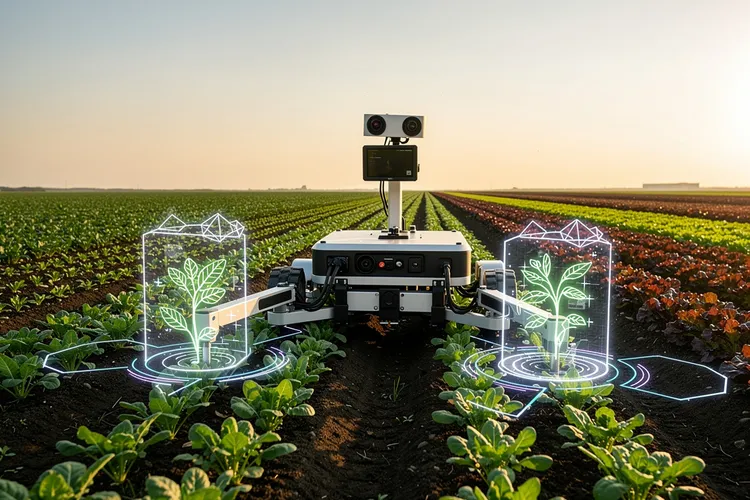
Carbon Robotics unveils proprietary AI model for plant identification, marking a breakthrough in precision agriculture. The technology promises plant-level crop management at commercial scale, reducing inputs while improving yields through advanced computer vision trained on millions of real-world field images.
China's four-decade investment in specialized mathematics education is producing the elite AI workforce challenging U.S. technological dominance. This systematic talent pipeline, operating largely unknown to Western observers, represents a strategic advantage that American fragmented educational approaches struggle to match.